Team Coaching
Collective leadership for a complex world
Most teams don’t fail from lack of talent. They fail when pressure hits and they lose contact with each other.
I work with senior and founding teams over time, so you can stay calm, tell the truth, and lead as a we, not a collection of I’s. This is systemic work: we coach the team as a living system, not a set of individuals to fix.
Schedule a free 30 minute discovery session
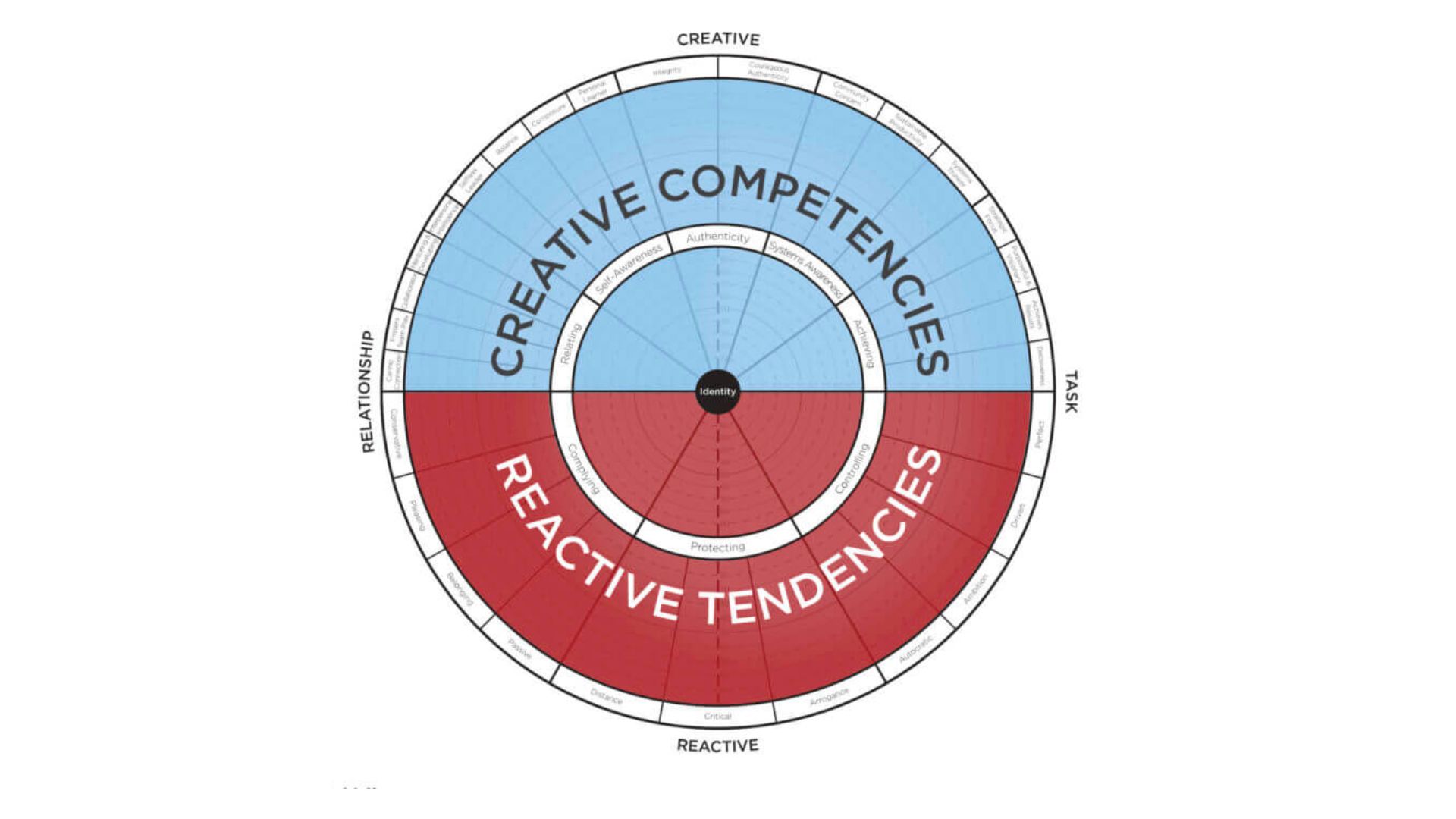
Optional: already want a picture of the leadership culture? The Collective Leadership Assessment can sit alongside this work. It is not required to begin.
The real problem
On paper, the team looks capable. In the room, something else is happening.
- Decisions stall, or get made by whoever speaks loudest
- Tension sits under the table: politics, history, “understreams”
- People are smart one-to-one and fragmented as a group
- Speed and delivery crowd out presence, play and honest conversation
- The culture you say you want is not the culture you actually live
- Co-founders or execs are aligned on strategy and strained in relationship
If that is familiar, the work is not another away day. It is how this team meets complexity together.

What this is
What systemic team coaching is: the team is the client
Team coaching here means the team is the client. This is systemic work: we coach the pattern between you, the roles you are in, and the wider organisation, not a private problem in one person.
We work with what is actually happening between you: how you listen, decide, avoid, repair, and stay connected when it is hard.
This is not:
- 1:1 leadership coaching (that is a different engagement)
- A Leadership Circle 360 or culture report on its own
- Facilitation of an agenda, or a one-off workshop
- Individual coaching of several people who happen to be on the same team
Those can support the work. They are not the work.
The work is a reflective space for the intact team, so patterns become visible, tension can be held, and collective leadership can actually show up.
Who this is for
Team coaching for senior and founding teams
Lead with these teams
- Senior leadership teams in complexity: public service, scale-ups, professional organisations
- Founding and co-founding teams who need alignment deeper than the equity split or the strategy deck
- Executive pairs and small top teams who carry the system, and feel the strain of that
Also
- Intact teams under pressure, including HR, cybersecurity, education and IT, when the live issue is how the group works, not only how individuals perform
You are ready if you
- Will put the real team in the room, not a proxy
- Can tolerate honest conversation without needing it to be tidy
- Want collective leadership, not a hero leader with better slides
- Will work over time, not only for a day
You are not ready if you
- Want a facilitator to run a process and leave
- Need the team “fixed” without the sponsor being in the work
- Are looking for team-building games with no relational risk
- Want a model installed rather than presence practised
Not sure? Start with Are we a fit.
The PlayfulMonk approach, with a team
Explore, Play, Love, Presence and Connection
The same five moves as the rest of the work, now in the group, not only in the individual.
Explore
See what is actually happening: the spoken agenda and the one nobody names.

Play
Stay adaptive and relaxed enough to hold paradox. Play is not an escape from responsibility. It is a way of meeting uncertainty without tightening.
Love
Care enough about the work, and each other, to tell the truth. Without that, “feedback” is just performance.
Presence
Not be run by yesterday’s habits or tomorrow’s panic. Respond to this meeting, this tension, this decision.
Connection
To yourselves, to each other, and to the wider system you are in. Leadership that cannot stay connected under pressure is not collective.
This is systemic: the issue is rarely “one person.” It lives in the pattern, the roles, and the context.
The outcome I am interested in is simple, and hard: a team that can stay calm and connected in complex situations.
How we work
Ongoing team coaching is the core offer. Assessment is optional.
Discovery
A conversation with the sponsor (and often a second voice from the team). What is at stake, who is in the room, and whether we are a fit.
Contracting with the team
We agree purpose, confidentiality, how we will work with conflict, and what “better” would actually look like. The team becomes the client, not only the person who hired me.
Optional diagnostic
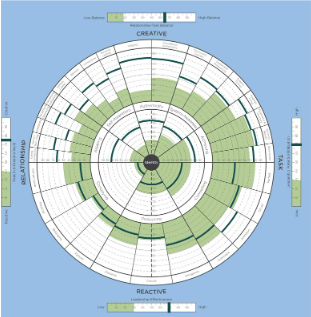
If you want a shared picture of current vs desired leadership culture, we can use the Collective Leadership Assessment. Useful. Not mandatory. Many teams start from the live work in the room.
A sequence of team sessions
Usually 90-180 minutes, or a half/full day, over 3-6 months. In person near Amsterdam, or online with teams anywhere. We work the real issues: decisions, ruptures, silence, pace, power.
Integration
Short practices between sessions so the work does not die when you return to the diary. Occasional 1:1 with a sponsor or pair, if the system needs it, still in service of the team.
Typical shapes
Leadership team coaching, team reset, and CLA
Main offer
Leadership team coaching
A sequence of sessions with a senior or founding team over 3-6 months. This is for teams that need a different way of being together, not a single intense day.
Team reset
1-2 days, in person or online, after a rupture, restructure, stall, or a truth that can no longer wait. Best when it is followed by ongoing sessions, not used as a one-shot fix.
Culture diagnostic + coaching
CLA plus debrief, then team coaching. For senior teams or groups of leaders who want data on “where we are / where we say we want to be,” then the relational work to close the gap.
Team size is typically 2-12. Pairs and co-founders count. Intact delivery teams can work this way when the live issue is collective, not individual performance management.
What may change
Not a guarantee. A direction the work often takes.
- You can stay with tension without collapse, blame, or false harmony
- Unspoken material becomes speakable, without turning the room into theatre
- Decisions get clearer, because the team is actually in contact
- Repair after conflict becomes possible, instead of stored
- Less heroic leadership, more collective responsibility
- People leave meetings less braced, and more able to do the work

What people say
What leaders say about this work
“I felt this was a missing part to become a more effective team manager… I have less stress at work now I am able to work in uncertain circumstances from a position of connectedness.”
Soraya Ramdin, Director of Operations, Flatland Agency
“I was looking for some guidance, someone who could help me on my deepest personal level to cope with these rising demands of building a high growth company.”
Guus Meulendijks, Co-founder of B.
“I work in a political environment with lots of understreams. Amaranatho’s techniques and coaching helped me to have a clear message and stay connected and be true to my inner self.”
Rik-Jan Modderkolk, International Health Manager at PON
EMCC Senior Practitioner and coaching supervisor. Leadership Circle 360 and Collective Leadership Assessment practitioner. Scrum Master. Former Buddhist monk of 15 years. I also work with executives and teams through Blend Associates in complex public-service environments. More about Amaranatho.


Why this, not an offsite
An offsite can create a good day. Team coaching changes what happens on the ordinary days.
You get a partner who will work with group tension, not only the agenda; with presence and ethical awareness, not only psychological safety posters; with collective leadership, not a more polished individual at the top.
The PlayfulMonk approach is the same one I use with leaders: rigorous, light enough to stay human, and serious about who you are together.
If the live issue is 1:1 inner work for a CEO or founder, see Spiritual Leadership Coaching. If you want a talk or workshop, see Speaking about leadership.
Ready?
If you are a senior or founding team, and you are seriously looking at how you lead together, let’s talk.
This is a fit conversation: what is happening in the team, whether coaching is the right move, and what a first sequence could look like.
FAQ
Team coaching FAQs
How is this different from facilitation or team building?
Facilitation helps you get through an agenda. Team building often stays at the surface. Team coaching treats the team as the client: we work the patterns, the tension, and the way you actually lead together.
What do you mean by systemic work?
We don’t treat tension as a private problem in one person. We look at the pattern the team is in: roles, power, history, and the wider organisation, and work with that in the room.
Do we need the Collective Leadership Assessment first?
No. CLA is useful when you want a shared map of current vs desired leadership culture. Many teams start with ongoing coaching. If a diagnostic would help, we add it. Details are on the Leadership Development page.
Can you work with co-founders or a pair, not a large team?
Yes. Some of the most important work is with two or three people who carry the whole system. See also co-founding team work in spiritual leadership coaching.
What about intact teams that are not the senior team?
Yes, when the issue is how the group works under pressure, not a substitute for managing an individual performance problem.
In person or online?
Both. I work in person near Amsterdam and remotely with teams elsewhere.
How big can the team be?
Usually 2-12 people who actually work together. Larger groups belong in a workshop or CLA process, not in this room.
What is confidential?
The team is the client. We agree with the sponsor what can be shared outside the room. I do not report “how people did” back to HR or the board unless the team has contracted that.
How often do we meet?
Commonly every 3-4 weeks for 3-6 months, with a longer session if the team is in a live rupture. After that, we review.
Can this sit alongside 1:1 coaching?
Yes, if it serves the team. 1:1 does not replace the group in the room. Individual coaching is described on Mindfulness Based Executive Coaching.
